Auditory & Cult Archives

Soundtrack & Score Quizzes

From Bernard Herrmann's shrieking strings to Ennio Morricone's whistle leitmotifs and Ben Burtt's legendary Foley recording treks across California deserts.

The Herrmann Legacy: Instrumentation as Subtext

Rejecting sweet Hollywood strings in favor of aggressive acoustic texture.
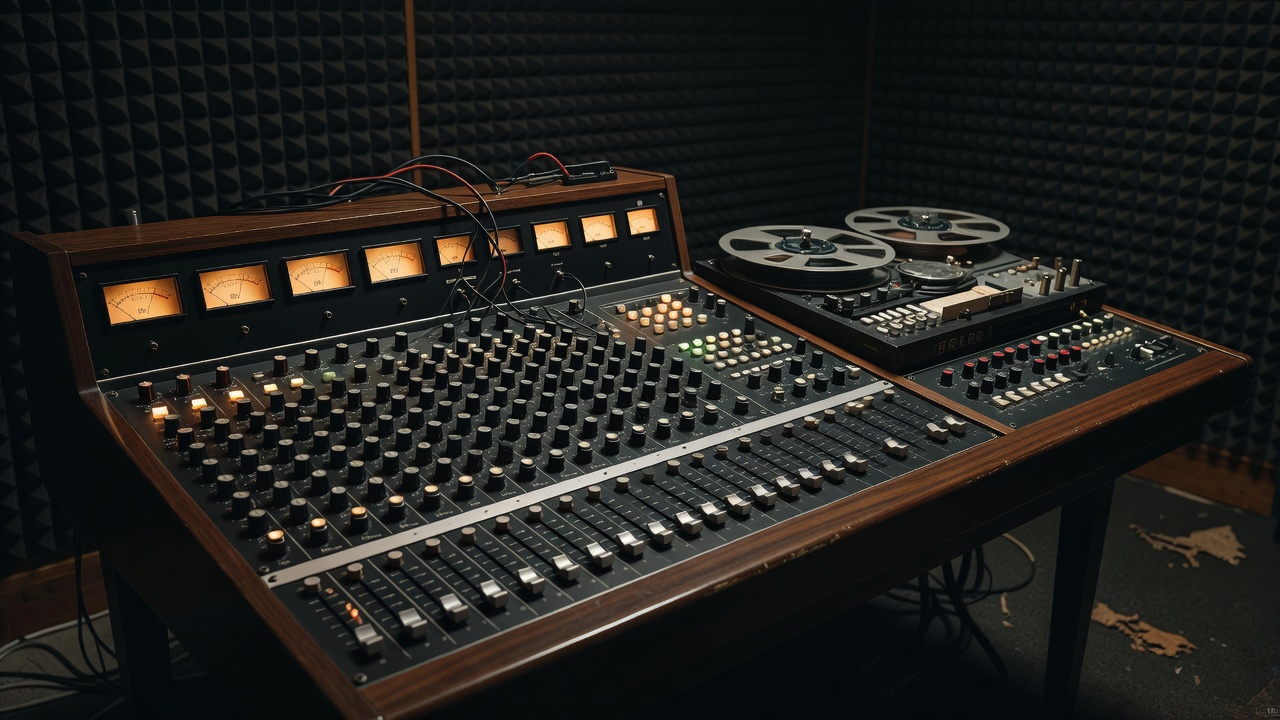
Vintage 1/4 inch tape sound recording mixing console in dark acoustic studio

When Alfred Hitchcock told Bernard Herrmann that the shower scene in Psycho (1960) should play in complete, dead silence without musical accompaniment, Herrmann waited until Hitchcock left for a weekend trip to London. He secretly recorded the legendary 14-violin staccato piece. Upon hearing it cut against George Tomasini's rapid 78-shot edit, Hitchcock immediately reversed his decision, later acknowledging that "33% of the effect of Psycho was due to the music."

For his landmark score to The Day the Earth Stood Still (1951), Herrmann utilized two uncommon electronic instruments that permanently codified the musical sound of 1950s science fiction cinema. What were they?

Cult Cinema Conundrums

Midnight movies, bootleg distribution circuits, and uncredited sound effects.

#01

The Wilhelm Scream's Origin

Recorded by actor/singer Sheb Wooley in 1951 for Distant Drums, sound designer Ben Burtt rediscovered the tape in the Warner Bros vaults and placed it in Star Wars (1977), turning it into cinema's most famous acoustic in-joke.

Sound Foley
#02

The Morricone Coyote Yowl

For The Good, the Bad and the Ugly (1966), Ennio Morricone built the main theme around an acoustic imitation of a howling coyote, created using a human vocal shout followed by a muted soprano recorder and acoustic ocarina.

Spaghetti Western
#03

The Lightsaber Hum

Ben Burtt generated the iconic lightsaber ignition and hum by combining the motor buzz of an idling 35mm projector with the feedback hum of a broken cathode-ray television picture tube.

Sci-Fi Lore